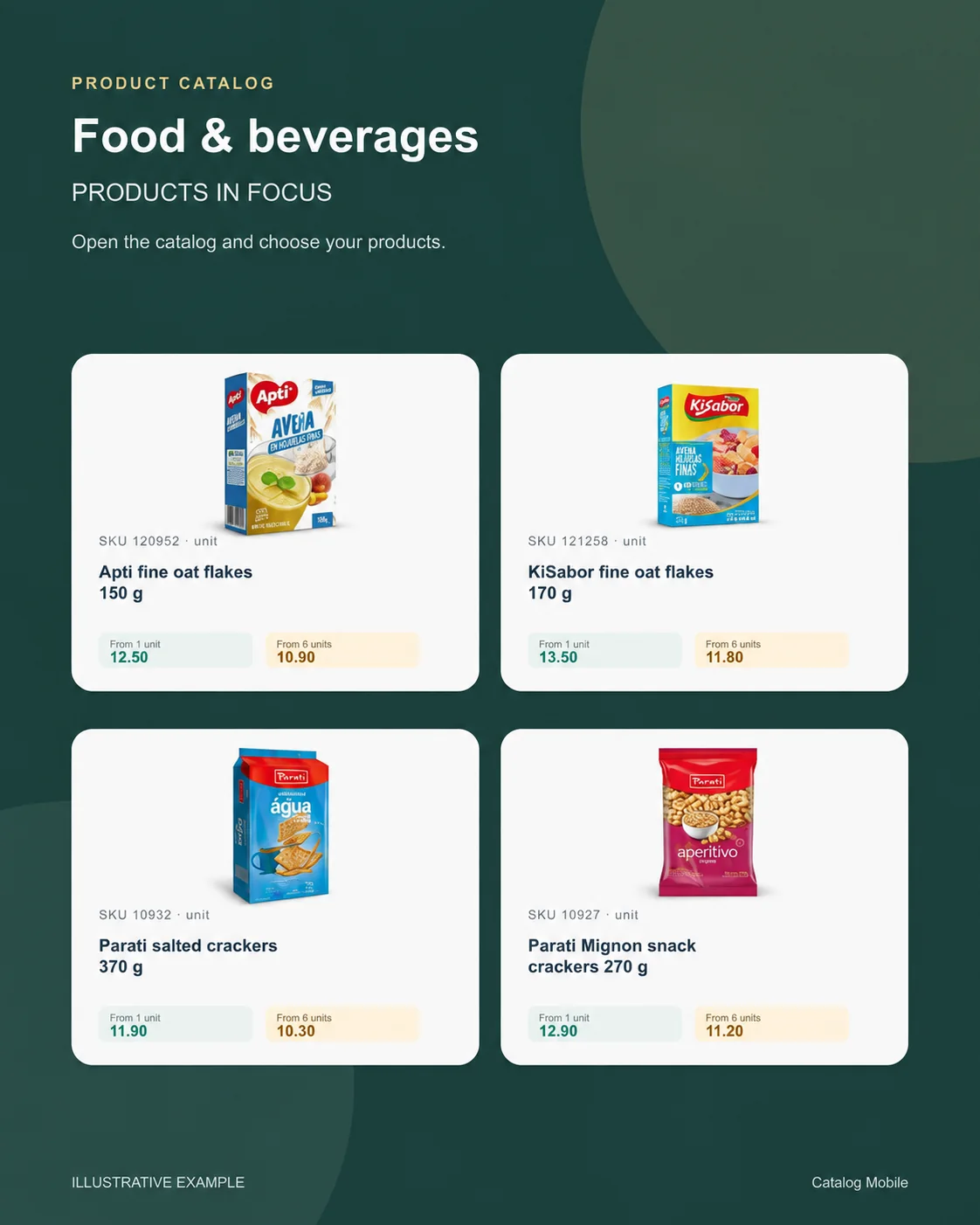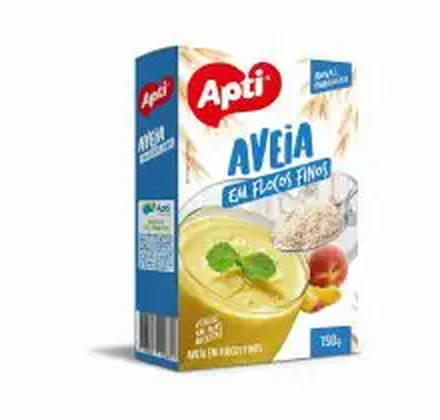
SKU 120952In stockApti fine oat flakes 150 g
1–5 units$12.50
6+ units$10.90
Quantity
food and beverage
When stock and sales material fall out of sync, the team sells in the dark. Without checking availability before the request, the team corrects items later and may narrow the offer to avoid more exceptions.

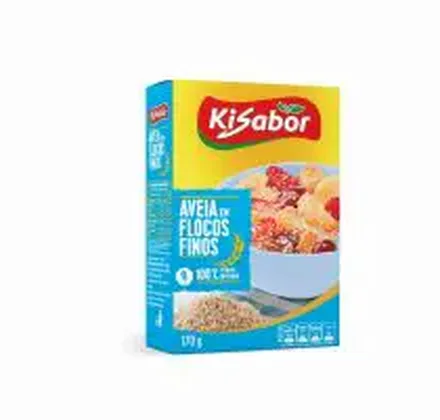

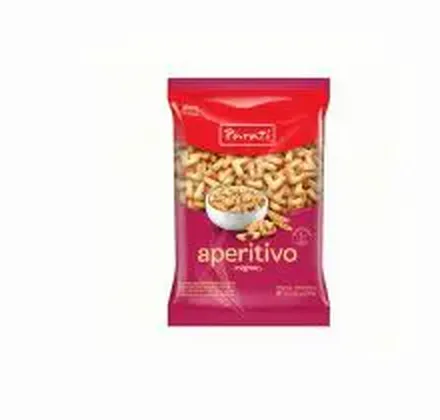
Change the quantity. See the unit price drop at 6 units.
Choose a product to start your order.
Example order reviewed
Illustrative demo · sample products and prices
Symptoms
Impact
Outdated stock damages sales trust and multiplies unnecessary follow-up. The business spends time explaining unavailability instead of moving to alternatives or the next order.
In food and beverage, that hurts the buying experience and limits average order value because reps stop pushing the full assortment.
How to solve it
The safest path is to remove this pain from manual routines and give the team a cleaner commercial layer. Catalog Mobile helps publish catalog material, share the right version, structure order capture and reduce the time spent on confirmation.
Check the product source and the route available for your edition before choosing Excel import, a connector, webhook or API. Review fields and permissions with the person responsible for your data. The ERP continues to manage operations while the catalog presents the selected range to the buyer.
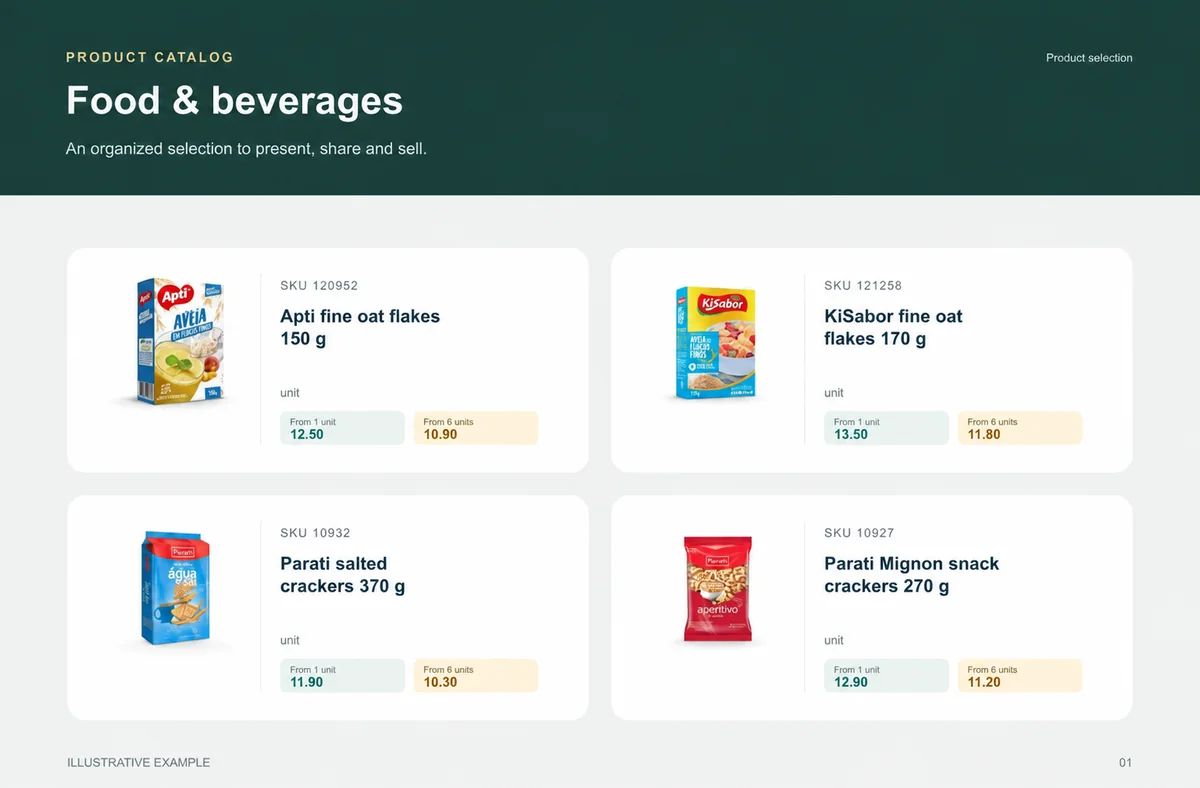
Food & beverages
Buyers need weight, pack and selling unit before choosing quantity.
Recurring buyers, replenishment teams and reps working by pack and turnover.
A weekly selection groups grocery, snacks and drinks by category and case.
unit
unit
unit
unit
What your customers can see
An organised selection to introduce the range, plus a promotional image to highlight the products. Open the examples and inspect the details.
From feature to practical benefit
Choose the intake route that fits your scenario and test what buyers will see. Integration belongs to operations; clarity of data belongs to selling.
YOUR ERP KEEPS ITS JOB
If your operation already runs on Oracle NetSuite, Acumatica, Odoo, QuickBooks Enterprise and Cin7, the next logical step is a commercial layer that organizes catalog flow, order capture and updates without forcing a radical process change.
No. The best path is usually to keep the ERP as your operational system and use Catalog Mobile to organize catalog publishing, commercial sharing and order capture.
Yes. Many teams start with spreadsheets, structured imports, sync routines or a gradual ERP path.
Yes. A representative can present the range and organise the items a buyer wants to order during a visit. The team receives a request to review against the commercial conditions.
See the available guidance for Oracle NetSuite, Acumatica, Odoo, QuickBooks Enterprise and Cin7. Before starting, confirm your ERP edition, the required fields and the import or integration route available for your account. The ERP remains your operational base; the catalog organises the sales presentation.
Start with one line, one region or one team where the issue is visible and easy to measure. The initial goal is to validate a sales routine that reduces the gap between availability and what gets sold.
Guides
Stop selling unavailable items and fixing the order later. See how to give sales more predictability in food and beverage.
START WITH A REAL PRODUCT LINE
Add a small selection. Open it on your phone. Check the PDF and the order flow before rolling it out to your team.